

Durability is a crucial factor when considering any industrial instrument, and the Digital Shore Durometer is no exception. As a leading supplier of Digital Shore Durometers, I have witnessed firsthand the importance of durability in these precision devices. In this blog, I will delve into the various aspects that contribute to the durability of a Digital Shore Durometer, offering insights based on years of experience in the industry.
Understanding the Digital Shore Durometer
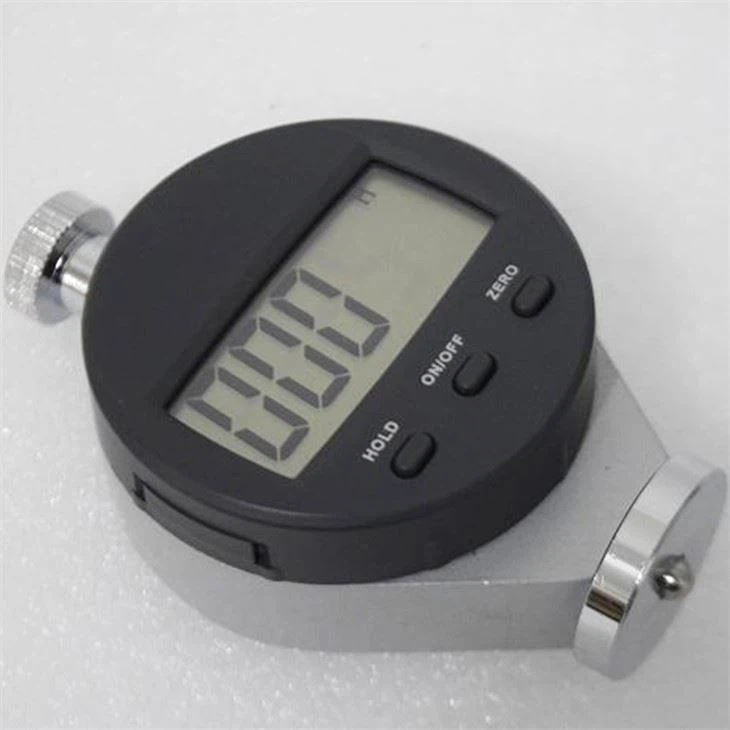
Before we explore its durability, let's briefly understand what a Digital Shore Durometer is. A Digital Shore Durometer is a device used to measure the hardness of materials, particularly rubber, plastics, and elastomers. It works by applying a specific force to the material's surface using a calibrated indenter and then measuring the depth of penetration. The hardness value is then displayed digitally, providing accurate and reliable results.
There are different types of Digital Shore Durometers, such as the Digital Shore D Durometer, which is designed for harder materials, and the Digital Shore Hardness Tester, which offers a comprehensive solution for a wide range of hardness measurements.
Factors Affecting the Durability of a Digital Shore Durometer
1. Build Quality
The build quality of a Digital Shore Durometer is the foundation of its durability. High - quality materials are essential for withstanding the rigors of daily use in industrial environments. For example, the housing of the durometer should be made of robust materials such as impact - resistant plastics or metal alloys. Metal housings, in particular, offer excellent protection against physical damage, including drops, bumps, and scratches.
The internal components also play a vital role. Precision - made gears, springs, and sensors are more likely to maintain their accuracy over time. A well - constructed indenter, which is the part that comes into contact with the material being tested, is crucial. It should be made of a hard and wear - resistant material, such as hardened steel or tungsten carbide, to ensure consistent and reliable hardness measurements.
2. Environmental Resistance
Digital Shore Durometers are often used in various environmental conditions. They need to be resistant to factors such as dust, moisture, and temperature variations. Dust can accumulate inside the device, causing mechanical parts to jam or sensors to malfunction. A sealed design with proper gaskets can prevent dust from entering the durometer.
Moisture is another significant threat. Exposure to high humidity or direct contact with water can corrode internal components and damage the electronic circuits. A water - resistant or even waterproof design is highly desirable, especially in industries where the durometer may be used in wet or damp environments.
Temperature variations can also affect the performance and durability of a Digital Shore Durometer. Extreme temperatures can cause materials to expand or contract, which may lead to misalignments or changes in the calibration of the device. A good durometer should be able to operate within a wide temperature range without significant loss of accuracy.
3. Electronic Components
In a Digital Shore Durometer, the electronic components are responsible for processing and displaying the hardness measurements. These components need to be of high quality and reliable. The microcontroller, which controls the overall operation of the device, should be able to handle the computational tasks efficiently and without errors.
The display screen is another critical electronic component. It should be clear, easy to read, and resistant to damage. A high - resolution display ensures that the hardness values can be accurately read, while a scratch - resistant and impact - resistant screen protects it from daily wear and tear.
4. Calibration Stability
Calibration is essential for the accuracy of a Digital Shore Durometer. A durable durometer should maintain its calibration over time. High - quality internal mechanisms and sensors contribute to calibration stability. Regular calibration checks and adjustments may be required, but a well - designed durometer should require fewer adjustments and be less prone to calibration drift.
Testing the Durability of a Digital Shore Durometer
1. Physical Testing
Physical testing involves subjecting the durometer to various mechanical stresses. Drop tests are commonly used to simulate accidental drops in real - world scenarios. The durometer is dropped from a specific height onto a hard surface, and then its functionality is checked. If it continues to operate accurately after the drop, it indicates good physical durability.
Vibration tests are also important, especially for durometers that may be used in moving equipment or during transportation. The device is vibrated at different frequencies and amplitudes to ensure that its internal components remain intact and its performance is not affected.

2. Environmental Testing
Environmental testing assesses the durometer's resistance to different environmental conditions. Temperature cycling tests expose the device to a range of temperatures, from extremely cold to extremely hot, to check for any performance degradation. Humidity tests are conducted by placing the durometer in a high - humidity chamber for a specified period to evaluate its moisture resistance.
3. Long - Term Usage Testing
Long - term usage testing involves using the durometer continuously over an extended period. This test simulates years of normal use in an industrial environment. By monitoring the device's performance, accuracy, and any signs of wear and tear during this period, we can determine its long - term durability.
Benefits of a Durable Digital Shore Durometer
1. Cost - Effectiveness
A durable Digital Shore Durometer may have a higher upfront cost, but it offers long - term cost savings. Since it requires fewer repairs and replacements, the total cost of ownership is reduced. This is particularly important for industries that rely on hardness testing on a regular basis.
2. Reliable Results
A durable durometer maintains its accuracy over time, providing reliable hardness measurements. This is crucial for quality control in manufacturing processes. Inaccurate measurements can lead to defective products, which can be costly for businesses in terms of rework, recalls, and damage to their reputation.
3. Reduced Downtime
In an industrial setting, downtime can be extremely costly. A durable Digital Shore Durometer is less likely to break down, reducing the time spent on repairs and maintenance. This ensures that the production process can continue smoothly without interruptions.

Why Choose Our Digital Shore Durometers
As a supplier, we take pride in offering Digital Shore Durometers that are known for their durability. Our products are built with high - quality materials, from the robust housing to the precision - made internal components. We subject our durometers to rigorous testing, including physical, environmental, and long - term usage tests, to ensure that they meet the highest standards of durability.
Our Digital Shore D Durometer and Digital Shore Hardness Tester are designed to withstand the toughest industrial environments. They are resistant to dust, moisture, and temperature variations, and their calibration stability ensures accurate and reliable results over time.
If you are in the market for a reliable and durable Digital Shore Durometer, we invite you to contact us for a detailed discussion about your specific requirements. Our team of experts is ready to assist you in selecting the right product for your application. Whether you are a small - scale manufacturer or a large industrial enterprise, we can provide you with the solutions you need to ensure accurate hardness testing and quality control.

References
- ASTM D2240 - Standard Test Method for Rubber Property - Durometer Hardness.
- ISO 7619 - 1:2010 - Rubber, vulcanized or thermoplastic — Determination of indentation hardness — Part 1: Durometer method (Shore hardness).