

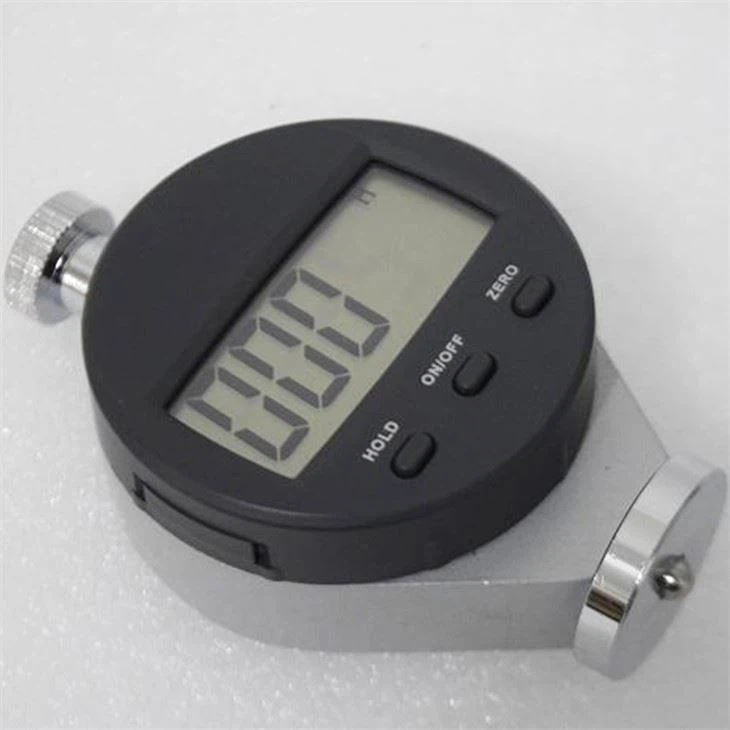
As a trusted supplier of Digital Shore Durometers, I understand the critical importance of maintaining the accuracy of these essential measuring instruments. A Digital Shore Durometer is a precision device used to measure the hardness of materials such as rubber, plastic, and elastomers. Ensuring its accuracy is not only crucial for obtaining reliable test results but also for maintaining the quality and consistency of your products. In this blog post, I will share some valuable insights and practical tips on how to maintain the accuracy of a Digital Shore Durometer.

Understanding the Basics of Digital Shore Durometers
Before delving into maintenance tips, it's essential to have a basic understanding of how Digital Shore Durometers work. These devices operate on the principle of measuring the depth of penetration of a specific indenter into the material under a defined force. The hardness value is then displayed digitally, providing a quick and accurate reading.
There are different types of Digital Shore Durometers, including the Digital Shore D Durometer, which is suitable for harder materials, and the Digital Shore Hardness Tester, which can be used for a wider range of materials. Each type has its own specific design and operating requirements, so it's important to refer to the manufacturer's instructions for proper use.
Regular Calibration
One of the most important steps in maintaining the accuracy of a Digital Shore Durometer is regular calibration. Calibration is the process of comparing the measurements of the durometer against a known standard to ensure its accuracy. Over time, factors such as wear and tear, environmental conditions, and mechanical stress can cause the durometer to deviate from its original calibration.
It is recommended to calibrate your Digital Shore Durometer at least once a year or more frequently if it is used extensively. You can either send the durometer to a professional calibration laboratory or perform an in-house calibration using a calibrated reference block. When performing an in-house calibration, make sure to follow the manufacturer's instructions carefully and use a reference block that is traceable to a national or international standard.
Proper Handling and Storage
Proper handling and storage of your Digital Shore Durometer are also crucial for maintaining its accuracy. When using the durometer, make sure to hold it firmly and perpendicular to the surface of the material being tested. Avoid applying excessive force or tilting the durometer, as this can affect the measurement results.
After use, clean the durometer thoroughly using a soft, dry cloth to remove any dirt, debris, or moisture. Store the durometer in a protective case or container to prevent damage from dust, humidity, and mechanical shock. Avoid storing the durometer in extreme temperatures or environments, as this can also affect its accuracy.
Inspection and Maintenance
Regular inspection and maintenance of your Digital Shore Durometer can help identify and address any potential issues before they become major problems. Check the durometer for any signs of damage, such as cracks, scratches, or loose parts. If you notice any damage, stop using the durometer immediately and contact the manufacturer for repair or replacement.
In addition to visual inspection, you should also perform a functional check of the durometer regularly. This can include checking the display for accuracy, testing the indenter for proper operation, and verifying the calibration of the durometer. If you encounter any problems during the functional check, refer to the manufacturer's troubleshooting guide or contact their technical support team for assistance.
Environmental Considerations
The environment in which you use and store your Digital Shore Durometer can also have a significant impact on its accuracy. Temperature, humidity, and vibration are some of the environmental factors that can affect the performance of the durometer.
It is recommended to use the durometer in a controlled environment with a temperature range of 23°C ± 2°C and a relative humidity of 50% ± 5%. Avoid using the durometer in areas with high levels of vibration or electromagnetic interference, as this can cause the measurement results to be inaccurate.
If you need to use the durometer in an environment with extreme temperatures or humidity, make sure to allow the durometer to acclimate to the environment for at least 30 minutes before use. This will help ensure that the durometer is operating at its optimal performance.
Training and Education
Proper training and education of your staff on the use and maintenance of Digital Shore Durometers are also essential for maintaining their accuracy. Make sure that your staff is familiar with the operating instructions, calibration procedures, and safety precautions of the durometer. Provide them with regular training and refresher courses to keep their skills up to date.
In addition to training, you should also encourage your staff to report any issues or problems they encounter with the durometer immediately. This will help you address the issues promptly and prevent any potential problems from occurring.
Conclusion
Maintaining the accuracy of a Digital Shore Durometer is essential for obtaining reliable test results and ensuring the quality and consistency of your products. By following the tips and guidelines outlined in this blog post, you can help ensure that your Digital Shore Durometer remains accurate and reliable for years to come.
If you have any questions or need further assistance with maintaining the accuracy of your Digital Shore Durometer, please don't hesitate to contact us. We are a leading supplier of Digital Shore Durometers and can provide you with the expertise and support you need to keep your measuring instruments in top condition. Whether you are looking to purchase a new Digital Shore Durometer or need help with calibration, maintenance, or repair, we are here to help. Contact us today to discuss your needs and learn more about our products and services.
References
- ASTM D2240 - Standard Test Method for Rubber Property - Durometer Hardness
- ISO 7619 - Rubber, vulcanized or thermoplastic - Determination of indentation hardness