

As a provider of Superficial Hardness Testers, I've seen firsthand the importance of proper maintenance for these precision instruments. In this post, I'll share some key maintenance tips that can help you keep your tester in top - notch condition.
1. Regular Cleaning
Cleaning is the most basic yet crucial part of maintaining a Superficial Hardness Tester. After each use, it's essential to wipe down the exterior of the tester. Dust, debris, and test - related residues can accumulate on the surface, which may not only look bad but also interfere with the tester's operation in the long run.
Use a soft, dry cloth to clean the body. For stubborn stains or dirt, you can dampen the cloth slightly with a mild cleaning solution. But make sure the solution is non - abrasive and won't damage the tester's finish. Never use sharp objects to scrape off dirt, as this can scratch the surface and potentially affect the accuracy of the readings.
The indenter, which is a key component for measuring hardness, also needs special attention. After a certain number of tests, it can get contaminated with particles from the test samples. Gently clean the indenter with a soft - bristled brush or a clean, lint - free cloth. Avoid touching the indenter tip with your fingers, as the oils from your skin can also cause issues.
2. Calibration Checks
Calibration is like the compass for your Superficial Hardness Tester. It ensures that the tester is providing accurate and reliable results. You should conduct calibration checks regularly, at least once a month or more frequently if the tester is used intensively.
Have calibrated reference blocks on hand. These blocks have known hardness values. Use the tester to measure the hardness of these reference blocks and compare the results with the known values. If there are significant discrepancies, it means the tester needs to be recalibrated.
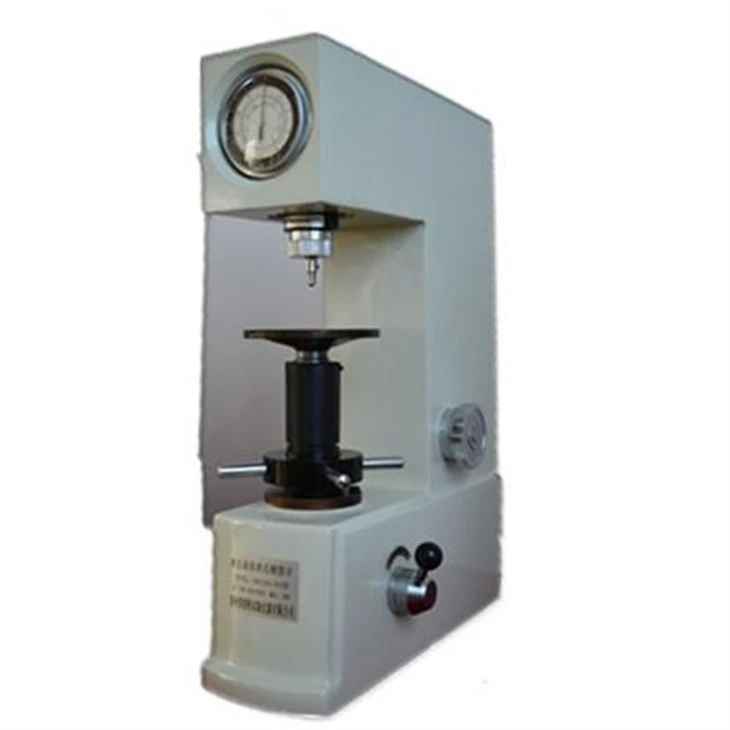

Some testers, like the Rockwell Superficial Hardness Tester, come with built - in calibration features, which can make the process much easier. But even if your tester has such features, it's still a good idea to double - check with external reference blocks for extra accuracy.
3. Indenter Inspection and Replacement
The indenter is one of the most sensitive parts of a Superficial Hardness Tester. Over time, the indenter can wear down or get damaged. Regularly inspect the indenter for signs of wear, such as dullness, chipping, or deformation.
If you notice any of these issues, it's time to replace the indenter. Using a worn - out indenter will lead to inaccurate hardness measurements. Different models of testers may require different types of indenters. For example, the HR - 45A Model Superficial Rockwell Hardness Tester has its own specific indenter requirements. Make sure to choose a high - quality replacement indenter that is compatible with your tester.
4. Lubrication
Certain moving parts of the Superficial Hardness Tester need lubrication to function smoothly. Refer to the user manual of your tester to identify these parts and the appropriate lubricants to use.
Apply the lubricant sparingly. Too much lubrication can attract dust and debris, which can cause more problems in the long run. Clean the parts thoroughly before applying the lubricant to ensure that there is no dirt or old lubricant build - up.
For example, if your tester has a mechanism for applying the test load, lubricating the relevant moving parts can help ensure that the load is applied evenly and accurately. This will directly impact the reliability of your hardness measurements.
5. Storage
Proper storage is often overlooked but is very important for the longevity of your Superficial Hardness Tester. When the tester is not in use, store it in a clean, dry, and dust - free environment.
Avoid exposing the tester to extreme temperatures, humidity, or direct sunlight. These environmental factors can cause damage to the internal components of the tester and affect its performance. If possible, store the tester in its original case or a dedicated storage cabinet.
If you have a Double Use Surface hardness and Rockwell Hardness Tester, take extra care in its storage, as it combines multiple functions and may have more complex internal structures.
6. Electrical Component Maintenance (for Electric Testers)
If your Superficial Hardness Tester is electrically powered, pay attention to the electrical components. Check the power cord regularly for any signs of wear or damage. A frayed or damaged power cord can be a safety hazard and may also cause issues with the tester's operation.
Clean the electrical contacts inside the tester. Dust and oxidation can build up on these contacts, which can lead to poor electrical connections. Use a contact cleaner to gently clean the contacts.
Make sure the tester is properly grounded. This not only helps protect the tester from electrical surges but also ensures the safety of the operator.
7. Software Updates (for Digital Testers)
Many modern Superficial Hardness Testers come with digital displays and software. These digital components can offer advanced features, such as data logging and analysis. However, they also need to be updated regularly.
Software updates can fix bugs, improve performance, and add new features to your tester. Check the manufacturer's website for any available software updates for your specific model. Follow the instructions carefully when installing the updates to avoid any issues.
In conclusion, maintaining a Superficial Hardness Tester is a multi - faceted task, but it's well worth the effort. Proper maintenance can extend the lifespan of your tester, ensure accurate measurements, and save you money in the long run. If you have any questions about maintaining your Superficial Hardness Tester or are interested in purchasing a new one, feel free to reach out for a more in - depth discussion. We're here to help you make the best decisions for your hardness testing needs.
References
- Manufacturer's user manuals for Superficial Hardness Testers.
- Industry standards and guidelines for hardness testing equipment maintenance.