

When it comes to the field of material analysis and testing, a mounting press plays a crucial role. As a professional mounting press supplier, I've received numerous inquiries about the weight of a mounting press. This blog post aims to delve into this topic, exploring the factors that influence the weight, the significance of weight in different applications, and how it relates to the performance of the mounting press.
Factors Influencing the Weight of a Mounting Press
The weight of a mounting press is not a random number; it is determined by several key factors. First and foremost, the size of the mounting press is a major determinant. Larger mounting presses, designed to handle bigger specimens or multiple specimens at once, generally weigh more. This is because they require more substantial frames and components to support the increased size and capacity. For example, a large - scale industrial mounting press used in a high - volume testing laboratory will be significantly heavier than a small, benchtop model for a research facility with limited space.
The materials used in the construction of the mounting press also have a profound impact on its weight. High - quality metals such as steel are commonly used for the frame and key components due to their durability and strength. Steel is relatively heavy, but it provides the necessary stability and resistance to wear and tear. On the other hand, some parts may be made of lighter materials like aluminum to reduce the overall weight without sacrificing too much strength. However, the proportion of these materials and their specific grades can vary widely among different models.
Another important factor is the functionality and complexity of the mounting press. Automatic mounting presses, which come with advanced features such as programmable controls, automated specimen handling, and precise temperature and pressure regulation, tend to be heavier than manual or semi - automatic models. This is because they require additional components like motors, sensors, and control panels, which add to the overall weight. For instance, the ZXQ - 200A - 2 Double Head Automatic Mosaic Machine is an advanced automatic model. Its double - head design and automatic functions necessitate a more substantial structure to support and operate these features, resulting in a relatively higher weight compared to simpler models.
Significance of Weight in Different Applications
The weight of a mounting press is not just a physical characteristic; it has practical implications in various applications. In a laboratory setting, the weight can affect the stability of the equipment. A heavier mounting press is generally more stable during operation, especially when applying high pressure to mount specimens. This stability is crucial for ensuring accurate and consistent results. For example, in metallographic analysis, where precise specimen preparation is essential for accurate microscopic examination, a stable mounting press can prevent any movement or vibration that could potentially damage the specimen or affect the quality of the mount.
Portability is another aspect influenced by the weight. In some cases, such as on - site testing or field research, a lighter mounting press may be preferred. A lightweight model can be easily transported to different locations without the need for heavy - duty equipment or multiple people. The JXQ - 2B Hand Set Machine is a relatively lightweight option that is suitable for such applications. Its lower weight allows for greater flexibility in terms of where it can be used.
However, in an industrial production environment, the weight may not be as much of a concern as long as the mounting press can meet the production requirements. Industrial facilities often have dedicated spaces for equipment, and the stability and durability provided by a heavier mounting press are more important. A heavy - duty mounting press can withstand continuous use over long periods, reducing the need for frequent maintenance and replacement.
Weight and Performance Relationship
The weight of a mounting press is closely related to its performance. As mentioned earlier, a heavier press is usually more stable, which is directly related to the quality of the mounting process. When applying pressure to mount specimens, a stable press can ensure that the pressure is evenly distributed across the specimen, resulting in a more uniform and reliable mount. This is particularly important for specimens with complex shapes or delicate structures.
Moreover, the weight can also affect the heat - dissipation properties of the mounting press. A heavier press with a larger mass can absorb and dissipate heat more effectively, which is crucial for maintaining a stable temperature during the mounting process. Temperature control is essential for achieving high - quality mounts, as different mounting materials require specific temperature ranges for optimal curing. For example, the Metallographic Specimen Mounting Press is designed to handle the heat - related challenges during the metallographic specimen mounting process. Its weight contributes to its ability to maintain a consistent temperature, ensuring the best possible results.
Conclusion and Call to Action
In conclusion, the weight of a mounting press is a multi - faceted characteristic that is influenced by factors such as size, materials, and functionality. It has significant implications in different applications, from laboratory research to industrial production. Understanding the relationship between weight and performance can help you make an informed decision when choosing a mounting press.

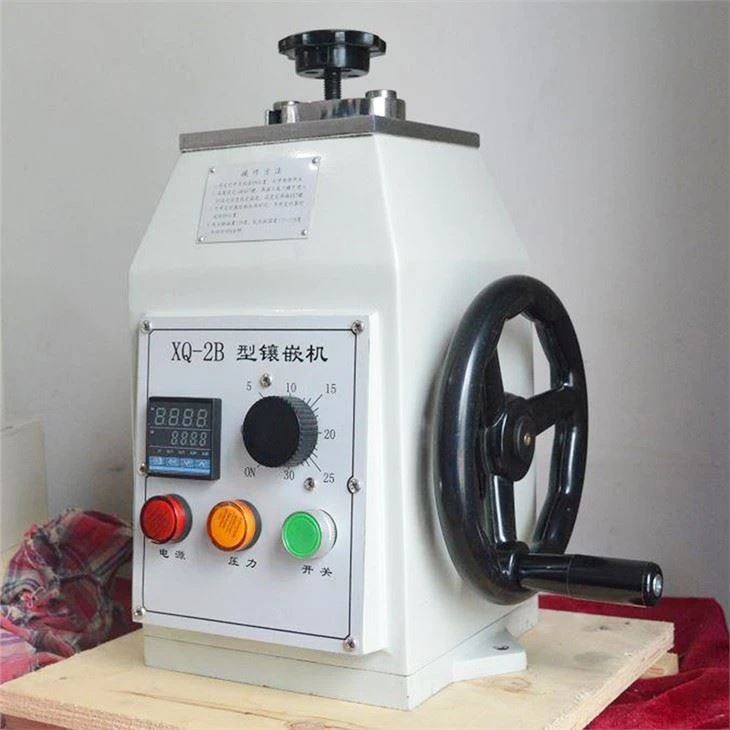
If you are in the market for a mounting press, whether you need a lightweight and portable model for on - site work or a heavy - duty and stable press for industrial production, we have a wide range of options to meet your needs. Our team of experts is ready to assist you in selecting the most suitable mounting press for your specific requirements. Contact us today to start the procurement negotiation process and take the first step towards enhancing your material analysis and testing capabilities.
References
- ASTM International standards related to mounting press equipment
- Industry reports on the development and application of mounting presses