

Hey there! As a supplier of Portable Hardness Testers, I've seen firsthand how important it is to transport these delicate instruments safely. Whether you're sending them to a customer or moving them between your own facilities, a little care can go a long way in ensuring they arrive in perfect working condition. In this blog post, I'll share some tips and tricks on how to transport a portable hardness tester safely.
1. Choose the Right Packaging
The first step in safe transportation is choosing the right packaging. A good quality, sturdy case is essential. Most portable hardness testers come with a custom - made carrying case when you purchase them. These cases are designed to fit the tester snugly, providing protection from bumps and jolts during transit.
If you don't have the original case, look for a case that offers plenty of cushioning. Foam inserts are great as they can be cut to fit the shape of the tester precisely. You can find these cases at office supply stores or online. Make sure the case has a secure locking mechanism to prevent it from accidentally opening during transport.
2. Secure All Loose Parts
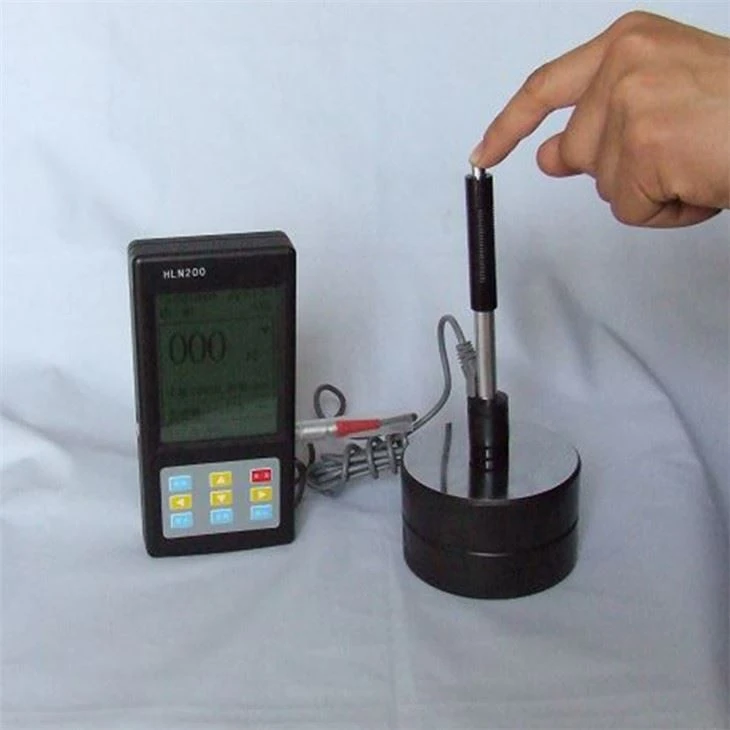
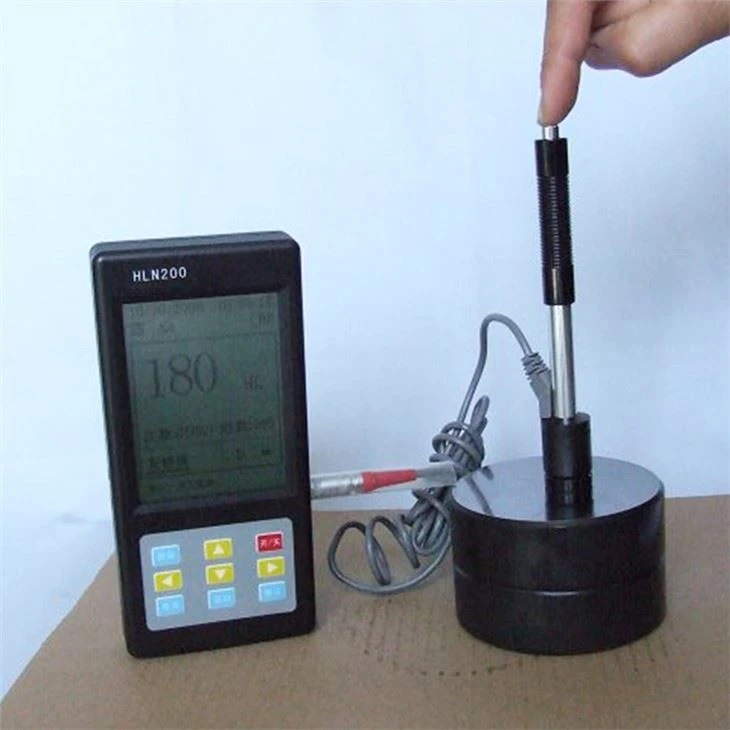
Before packing the hardness tester, make sure to secure all loose parts. This includes the impact device, charger, cables, and any other accessories that come with the tester. Loose parts can move around inside the case and potentially damage the tester or themselves.
You can use small plastic bags or compartments within the case to store these parts separately. Label each bag or compartment so that it's easy to find everything when you unpack the tester. For example, use a small ziplock bag for the charger cable and label it "Charger Cable".
3. Protect the Tester from Static Electricity
Portable hardness testers are electronic devices, which means they can be sensitive to static electricity. To protect the tester from static damage, use an anti - static bag. These bags are specially designed to prevent static charges from building up and damaging the electronic components of the tester.
Place the tester inside the anti - static bag before putting it into the case. You can find anti - static bags at electronics stores or online. They come in various sizes, so make sure to choose one that is big enough to fit the tester comfortably.
4. Consider the Mode of Transport
The mode of transport you choose can also affect the safety of the hardness tester. If you're transporting the tester locally, you might be able to drive it to its destination. In this case, make sure to place the case in a secure location in your vehicle, such as the trunk or on the floor behind the passenger seat. Avoid placing it on the seat where it could be knocked around by passengers.
If you're shipping the tester, choose a reliable shipping carrier. Look for carriers that offer tracking and insurance options. This way, you can keep an eye on the shipment and be compensated if anything goes wrong. When shipping, make sure to fill out all the necessary paperwork accurately, including the description of the contents and their value.
5. Temperature and Humidity Control
Portable hardness testers are sensitive to extreme temperatures and humidity. If you're transporting the tester in a hot or cold environment, take extra precautions. For example, if it's very hot outside, you might want to use a cooler with ice packs to keep the tester at a reasonable temperature.
Similarly, in a humid environment, you can use desiccant packs to absorb moisture. Place these packs inside the case with the tester. Desiccant packs are commonly used to keep items dry and can be found at hardware stores or online.
6. Handling During Transport
Whether you're moving the tester yourself or it's being handled by a shipping carrier, proper handling is crucial. When lifting the case, use your legs and not your back to avoid straining your body. If you're shipping the tester, make sure to mark the case as "Fragile" and "Handle with Care".
This will alert the handlers to be extra careful when moving the package. You can use brightly colored stickers or labels to make these markings clearly visible. Don't stack heavy items on top of the case during transport, as this can cause damage to the tester inside.
7. Inspect the Tester After Transport
Once the tester arrives at its destination, it's important to inspect it carefully. Check for any visible damage to the case or the tester itself. Make sure all the parts are still in place and that the tester powers on and functions correctly.
If you notice any damage, document it immediately. Take photos of the damage and contact the shipping carrier or the relevant party to start the claims process if necessary.
As a supplier of Portable Hardness Tester, Rebound Hardness Tester and Portable Rebound Hardness Tester, I understand the importance of getting these high - quality products to our customers in perfect condition. If you're in the market for a portable hardness tester or have any questions about transportation or our products, feel free to reach out. We're here to help you make the right choice and ensure a smooth purchasing process.
References
- General knowledge about electronic device transportation
- Manufacturer's guidelines for portable hardness testers