

Hey there! As a supplier of Portable Hardness Testers, I've been getting a lot of questions lately about the long - term reliability of these nifty little devices. So, I thought I'd sit down and share my thoughts on the matter.
First off, let's talk about what makes a portable hardness tester so popular. Portable hardness testers are a game - changer in the industry. They're small, easy to carry around, and can give you quick hardness readings right on the spot. Whether you're in a factory, on a construction site, or doing some quality control checks in the field, these testers are incredibly convenient.
One of the most common types of portable hardness testers is the Rebound Hardness Tester. This type of tester works by striking the surface of the material with a hammer and measuring the rebound velocity. The harder the material, the higher the rebound velocity. It's a simple yet effective way to get a hardness reading.
Another popular option is the Digital Rebound Hardness Tester. These testers take the concept of the rebound hardness tester a step further by providing digital readouts. This makes it easier to record and analyze the data. You can also store multiple readings, which is great for keeping track of different samples or materials.
Now, let's get to the big question: Are portable hardness testers reliable for long - term use? Well, the answer is a bit complicated. On one hand, portable hardness testers are designed to be durable and long - lasting. Most of the high - quality testers on the market are built with robust materials and advanced technology to withstand the rigors of regular use.
However, like any piece of equipment, they do require proper maintenance and care. For example, the impact body of a rebound hardness tester can wear out over time. If you're using the tester frequently, you might need to replace the impact body every so often to ensure accurate readings. Also, the battery life of digital testers can be a concern. You'll need to make sure you're charging the battery regularly and replacing it when it starts to lose its capacity.
The accuracy of portable hardness testers can also be affected by external factors. For instance, the surface finish of the material being tested can have an impact on the reading. If the surface is rough or uneven, it might give a less accurate result. Similarly, the temperature and humidity of the environment can also affect the performance of the tester.
But don't let these potential issues scare you off. With proper maintenance and calibration, portable hardness testers can be very reliable for long - term use. Most manufacturers provide detailed instructions on how to maintain and calibrate their testers. By following these guidelines, you can ensure that your tester continues to give accurate readings for years to come.
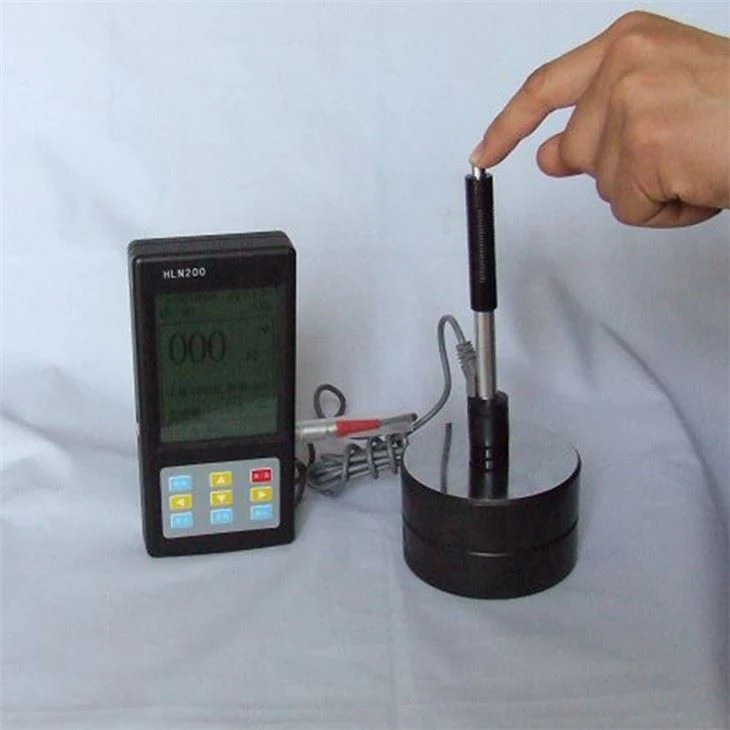

One of the advantages of being a supplier is that I've seen firsthand how different users are using these testers. I've talked to customers in various industries, from automotive to aerospace, and they've all had positive things to say about the long - term performance of our Portable Hardness Testers.
In the automotive industry, for example, portable hardness testers are used to check the hardness of engine components, gears, and other critical parts. These testers need to be reliable because any inaccuracies could lead to serious safety issues. And from what I've heard, our customers have been able to use our testers for years without any major problems.
In the aerospace industry, the requirements are even more stringent. The materials used in aircraft construction need to meet very high standards of hardness and quality. Portable hardness testers are essential for ensuring that these materials meet the specifications. Again, our customers have reported that our testers have been able to provide accurate and consistent readings over long periods of time.
So, in conclusion, portable hardness testers can be very reliable for long - term use, but it all comes down to how you take care of them. If you're willing to invest a little time in maintenance and calibration, you'll be able to get many years of accurate and useful service from your tester.
If you're in the market for a portable hardness tester, or if you have any questions about the long - term reliability of these devices, I'd love to hear from you. Whether you're a small business owner, a quality control engineer, or just someone who needs to test the hardness of materials on a regular basis, we have the right tester for you. Reach out to us, and we can discuss your specific needs and help you find the perfect portable hardness tester for your requirements.
References
- ASTM International. (20XX). Standard test methods for hardness testing of metallic materials.
- ISO. (20XX). International standards for hardness testing.
- Manufacturer's manuals for portable hardness testers.